




Beginner’s Guide to Importing Japanese Used Cars: Key Points for Overseas Buyers and Japan Trading’s Thorough Inspection Standards

1. Key Points to Check Before Importing a Japanese Used Car

Essential Vehicle Information to Verify Before Purchase
When importing a Japanese used car from overseas, the first step is to check the basic vehicle information. Always confirm the chassis number, model, year, color, and registration details. It is also crucial to verify that all necessary documents for import and operation are in order. Essential documents include the vehicle inspection certificate, compulsory liability insurance, and warranty certificates. Confirming these documents beforehand ensures a smooth import process and avoids delays after shipping.
Inspection of Driving and Mechanical Condition
It is essential to assess the vehicle’s durability and mechanical condition before purchase. Check the engine, brakes, and suspension for proper functioning and ensure that the vehicle can handle long distances or commercial use. Models such as the Toyota Hilux, Land Cruiser, and Probox are widely used for commercial and off-road purposes worldwide and are known for their reliability, but verifying their condition before purchase remains important.
Verification of Features and Functionality
Confirm that doors, windows, central locking systems, air conditioning, navigation, and audio systems are working properly. Safety features such as seat belts, fire extinguishers, and lights must also be inspected. Checking these systems before import is vital for both safety and comfort, and ensures the vehicle is ready for use upon arrival.
2. Japan Trading’s Thorough Inspection Standards
Front Checks and Documentation Verification
Japan Trading starts with front-end inspections, verifying auction sheets, recall information, and delivery or registration dates. Price boards and decorative license plates are carefully removed, and all documents are cross-checked for accuracy. This ensures that buyers can import vehicles with confidence, knowing that documentation and legal requirements are thoroughly managed.
Comprehensive Maintenance and Function Checks
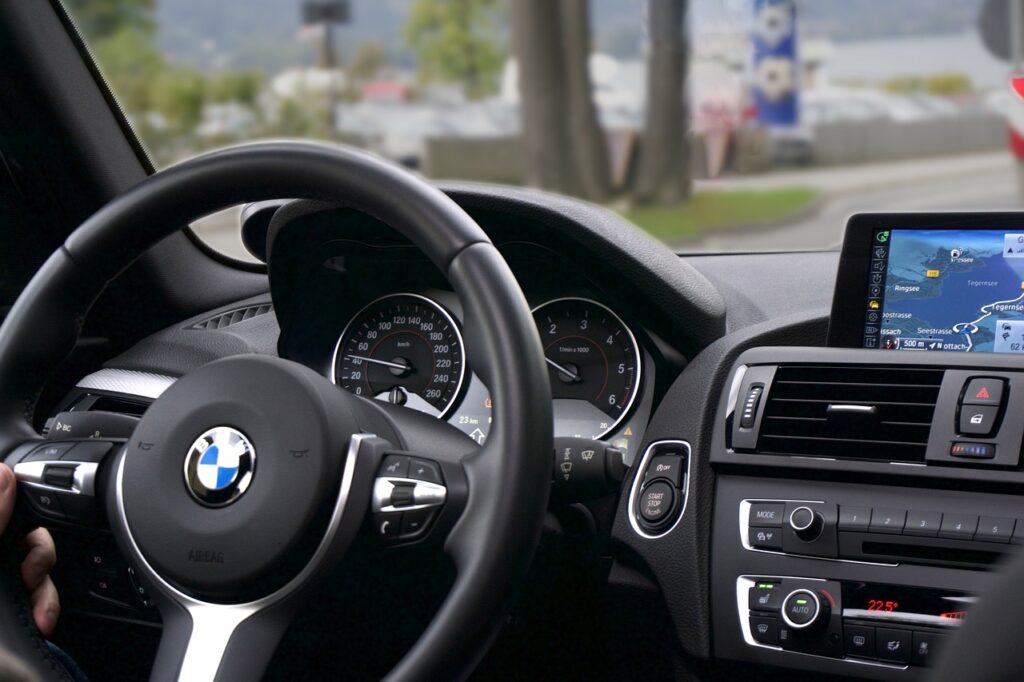
During the maintenance inspection, every detail is checked—from keys, seat lifters, and steering tilt, to central locks and side mirrors. Air conditioning temperature and odor, navigation, TV, and audio systems are also verified. Mandatory equipment such as fire extinguishers, windshield wipers, onboard tools, and spare tires are checked to ensure vehicles are ready for immediate use upon import.
Bodywork and Interior/Exterior Inspection
Vehicles undergo interior cleaning, and the ceiling, seats, and dashboard are inspected for any stains or damage. Engine bays are cleaned, tires polished, and light polishing or glass coating is applied when necessary. Bolts and attachments are checked for tightness, and all lighting systems are confirmed functional. This attention to detail guarantees high-quality vehicles for export.
Final Verification and Test Drive
A test drive is conducted to confirm driving performance, and all inspection sheets and documents are cross-checked. ETC setup and warranty documents are also verified to ensure every vehicle delivered meets Japan Trading’s quality standards.
3. Benefits of Importing Through Japan Trading
Peace of Mind with High-Quality Verified Vehicles
Japan Trading provides vehicles that have been thoroughly inspected and maintained in Japan. Detailed inspection sheets and maintenance records allow buyers to verify vehicle condition before purchase, minimizing risk and providing confidence for first-time importers.
Support with Export Procedures and Logistics
Japan Trading handles packaging, shipping, and customs clearance, making the import process seamless for overseas buyers. Even those importing Japanese used cars for the first time can enjoy a smooth and worry-free experience.
Tailored Vehicle Recommendations for Each Market
With deep knowledge of each country’s market and regulations, Japan Trading recommends vehicles that best fit buyers’ needs and usage. For example, in Tanzania, Probox and Crown Comfort are highly popular, while in Dubai, Hilux and Land Cruiser dominate the market. Recommendations are customized to meet local demand and ensure stable, profitable operations after import.
Summary
Importing a Japanese used car requires careful inspection of vehicle information, mechanical condition, and functionality. Japan Trading’s thorough inspections and quality checks, combined with export support and market expertise, provide overseas buyers with reliable, ready-to-use vehicles and peace of mind throughout the import process.